New Patients Welcome!

Beyond The Drill: Exploring The Modern Dentist’s Role In Oral Healthcare
June 20, 2023
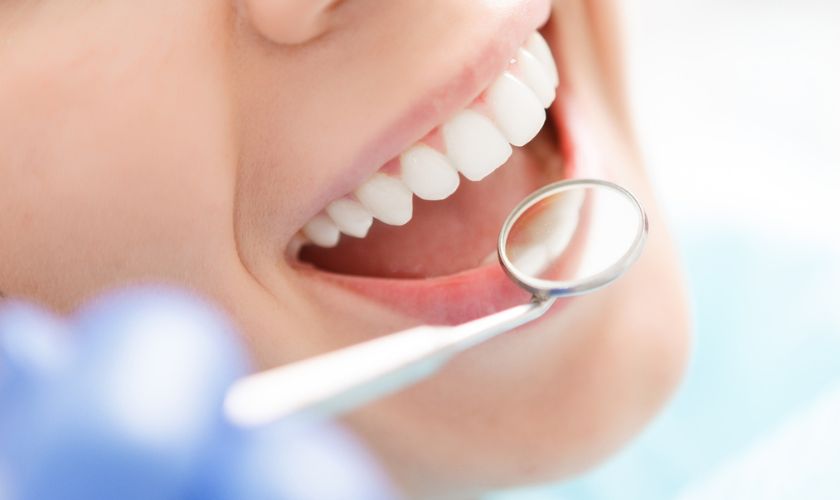
When did you last visit your dentist? Regardless of the reason, dentists play an essential role in our oral healthcare. Gone are the days when dentistry was solely associated with fillings and extractions. Today, dentists play a crucial role in treating oral problems and promoting overall well-being. In this rapidly evolving field, modern dentists are at the forefront of innovative techniques and technologies that revolutionize oral healthcare. They are no longer simply “tooth doctors” but comprehensive healthcare providers focusing on prevention, early detection, and personalized treatment plans. In this blog, we will delve into the expanding role of dentists in today’s world. From their expertise in preventive care and early intervention to their collaboration with other healthcare professionals, we will explore the multifaceted nature of their practice. We will also discuss the advancements in dental technology that allow for more accurate diagnoses and less invasive treatments. Join us as we unravel the layers of the modern dentist’s role, and gain a deeper understanding of how they contribute to your oral health and overall well-being. Get ready to discover the exciting realm beyond the drill and appreciate the invaluable role of today’s dentists in maintaining a healthy and beautiful smile.
What Is The Modern Dentist’s Role In Oral Healthcare?
Modern dentistry has come a long way from simply filling cavities and extracting teeth. Dentists today play an integral role in oral healthcare, treating and preventing dental issues. One of the main roles of modern dentists is to educate their patients on proper oral hygiene practices, such as brushing and flossing regularly, using mouthwash, and maintaining a healthy diet. They also provide preventative treatments like fluoride applications and sealants to protect teeth from decay. Dentists also perform regular check-ups, which are crucial for early detection of dental problems. Through these check-ups, they can identify any signs of gum disease or other health concerns that may require further treatment. In addition to preventive care, modern dentists offer a wide range of therapeutic procedures for damaged or missing teeth, such as crowns, bridges, implants, and more. They use advanced technology and techniques to ensure patients receive the best possible care with minimal discomfort during procedures. The modern dentist’s role in oral healthcare extends beyond fixing immediate dental issues; they aim to promote good oral health habits that will benefit patients long-term by helping them keep their teeth and gums healthy throughout their lives.
The Different Types Of Dentists Procedures
Dentists are oral healthcare professionals who provide their patients with a wide range of services. Some people may only think of them as the doctors who fill cavities or extract teeth, but modern dentistry has much more to offer. Here are some different types of procedures that dentists can perform:
Preventative Procedures: These procedures aim to prevent dental problems from occurring in the first place. This covers routine checkups and cleanings, fluoride applications, sealants, and dietary guidance.
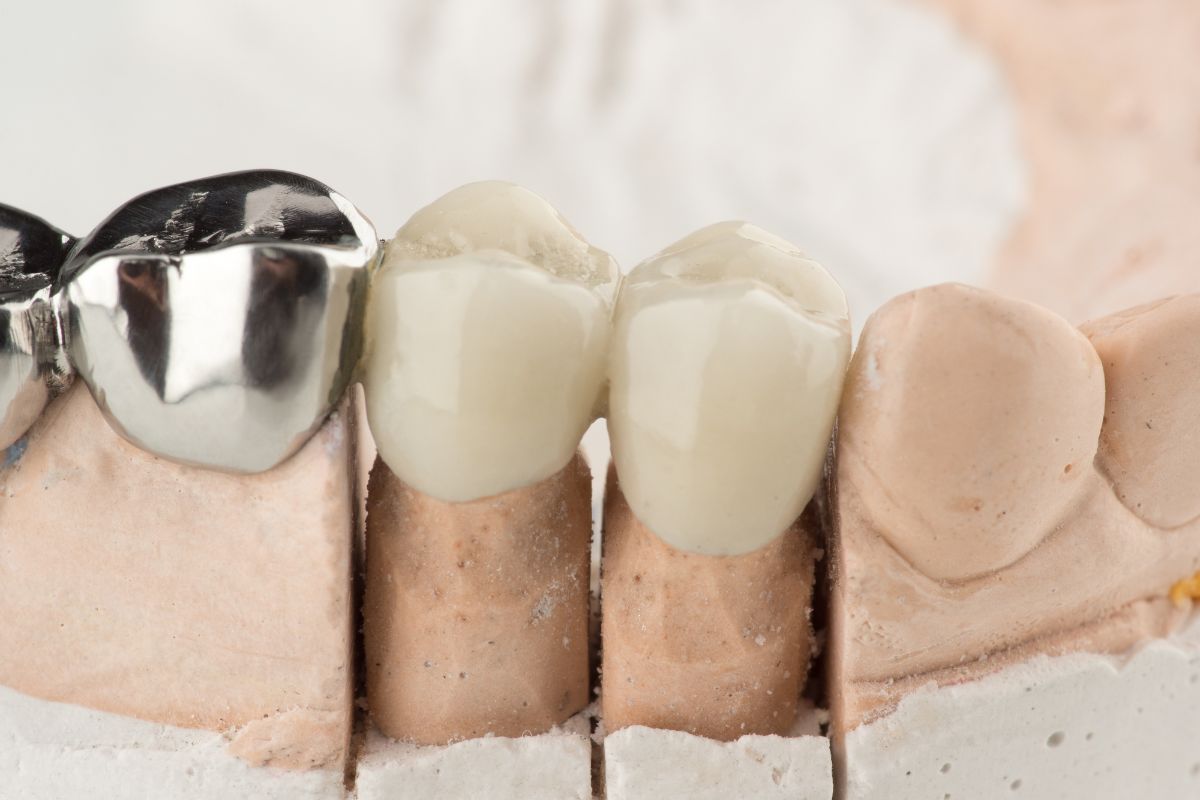
Restorative Procedures: When dental problems occur, restorative procedures can help restore your teeth’ function and appearance. Examples include fillings for cavities, crowns for damaged teeth, bridges for missing ones, and implants for tooth replacement.
Cosmetic Procedures: Cosmetic dentistry is an option for those looking to improve the beauty of their smile or correct cosmetic issues like stains or misalignment. These types of procedures include veneer bonding whitening, among others.
Orthodontics: Orthodontic treatment involves correcting misaligned bites through braces or aligners like Invisalign®.
Oral Surgery: Dentists can also perform surgical procedures such as extractions or gum surgery if necessary.
Various types of dental treatments are available depending on one’s condition. Whether you need a simple cleaning session or require complex oral surgery, visiting the dentist regularly will ensure optimal oral health care, enhancing overall wellness too!
The Benefits Of Going To The Dentist
To maintain good oral health, regular dental checkups are necessary. Not only do they help prevent cavities and gum disease, but they also offer numerous benefits that can improve your overall well-being. One of the most significant benefits of going to the dentist is the early detection and treatment of dental problems. By catching issues such as tooth decay or gum disease in their early stages, dentists can provide prompt treatment before they become more severe. This not only saves you from potential pain but can also save you money in the long run by avoiding more extensive procedures. Dental cleanings during routine check-ups remove plaque and tartar buildup, which reduces the risk of developing cavities or gum disease. Additionally, regular teeth cleanings promote healthier gums and fresher breath. Visiting a dentist regularly can also positively impact your overall health. Studies show that poor oral hygiene has been linked to various health conditions, such as heart disease, stroke, diabetes, respiratory infections, and even pregnancy complications. Furthermore, you’re investing in yourself physically and mentally by keeping up with regular dental appointments and practicing good oral hygiene habits at home. A healthy smile boosts confidence levels while reducing anxiety or stress regarding job interviews or social events. There’s no denying that visiting the dentist regularly offers many benefits beyond just having a beautiful smile! So schedule those routine check-ups every six months – your body.
The Importance Of Oral Healthcare
Oral healthcare is often overlooked but vital to our overall health. Poor oral hygiene can result in a number of dental issues, including foul breath, tooth decay, and gum disease. However, the effects of poor oral health extend beyond just the mouth. Did you know poor oral hygiene is linked to serious medical conditions like heart disease, stroke, and diabetes? That’s why regular visits to the dentist are crucial for maintaining good oral health. A healthy mouth lets us eat and speak properly without pain or discomfort. It gives us confidence in social situations and improves our quality of life. One way to maintain good oral health is by practicing proper dental care at home. Brushing twice a day with fluoride toothpaste and flossing daily can go a long way in preventing dental problems. In addition to personal dental care practices, visiting the dentist regularly for checkups and cleanings is important. Professional cleaning removes plaque buildup that brushing alone cannot eliminate. Good oral healthcare is essential for maintaining general well-being. So prioritize your dental health by visiting your dentist regularly and following proper at-home practices!
Final Words
The role of modern dentists in oral healthcare goes beyond just drilling and filling cavities. With advancements in technology and techniques, they can now offer a wide range of services that cater to the particular needs of their patients. Regular visits to the dentist not only help maintain good oral hygiene but also aid in detecting early signs of dental problems, preventing them from developing into serious issues. Everyone must prioritize their oral health as it affects overall well-being. The benefits of keeping up with regular check-ups far outweigh any discomfort associated with dental procedures. So, whether you require routine cleaning or more complex treatments such as orthodontics or cosmetic dentistry, don’t hesitate to visit your dentist regularly. Taking care of your teeth is an investment that pays off over time by giving you a lifetime of beautiful smiles and healthy mouths.
Recent Posts
September 17, 2024
What to Do If Your Dental Crown Breaks: Immediate Steps and Solutions
September 3, 2024
How to Maintain Your Invisalign Aligners
August 13, 2024
Comparing Traditional and Composite Fillings: Which is Right for You?
August 5, 2024
The Impact of Dental Bridges on Oral Health

July 23, 2024
