New Patients Welcome!
Smile Resilience: Exploring the Enduring Durability of Dental Crowns
January 13, 2024
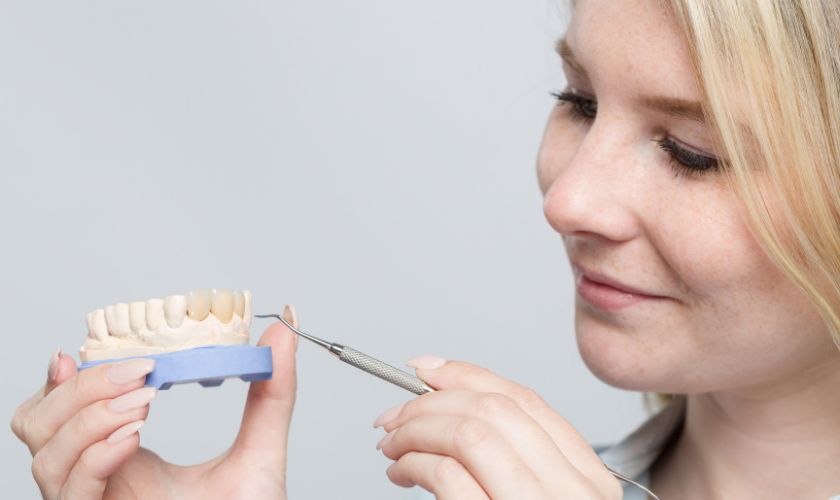
A radiant smile is not just about aesthetics; it’s a reflection of oral health. Dental crowns play a pivotal role in restoring and fortifying smiles, providing lasting durability and resilience. Let’s delve into the world of dental crowns and explore how these remarkable restorations contribute to the long-term health and strength of your smile.
The Basics of Dental Crowns:
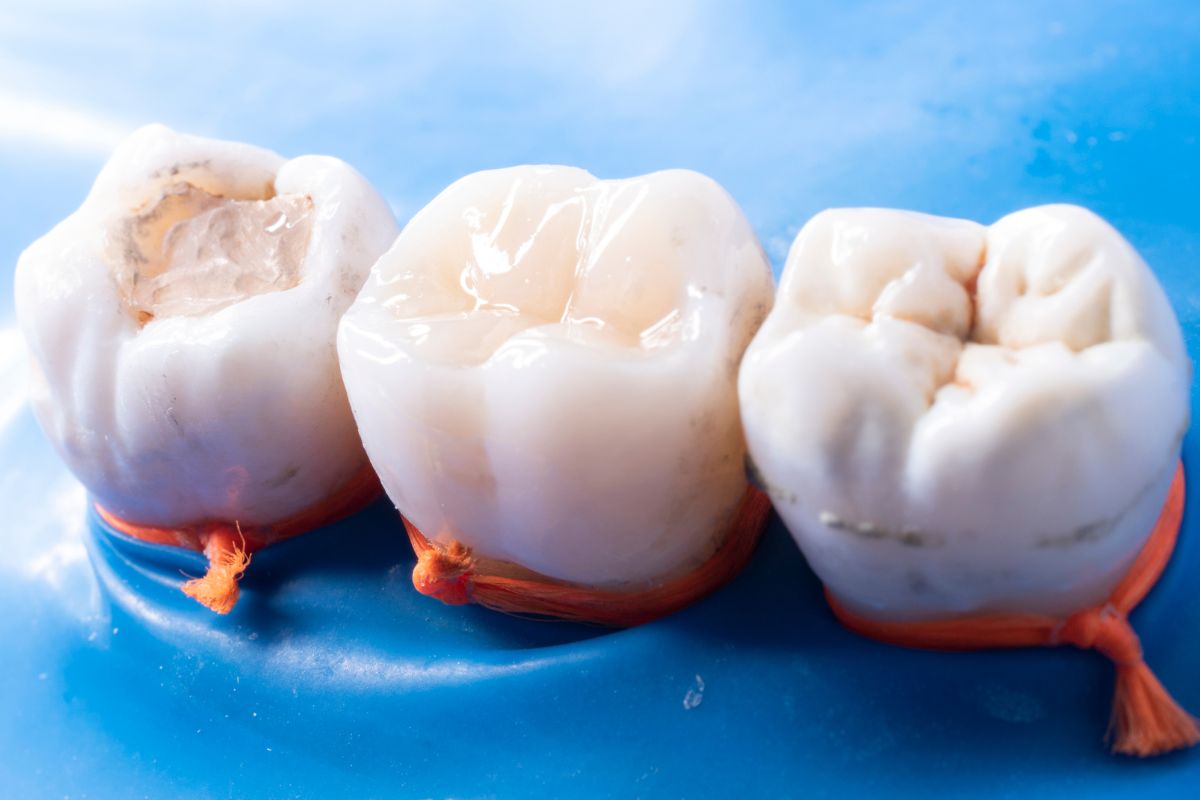
Dental crowns, often referred to as caps, are customized prosthetic devices designed to encase a damaged or weakened tooth. Crafted from various materials like porcelain, ceramic, metal, or a combination of these, crowns are tailored to match the color, shape, and size of your natural teeth. Their primary function is to restore a tooth’s strength, shape, and functionality while enhancing its overall appearance.
Durability Through Material Selection:
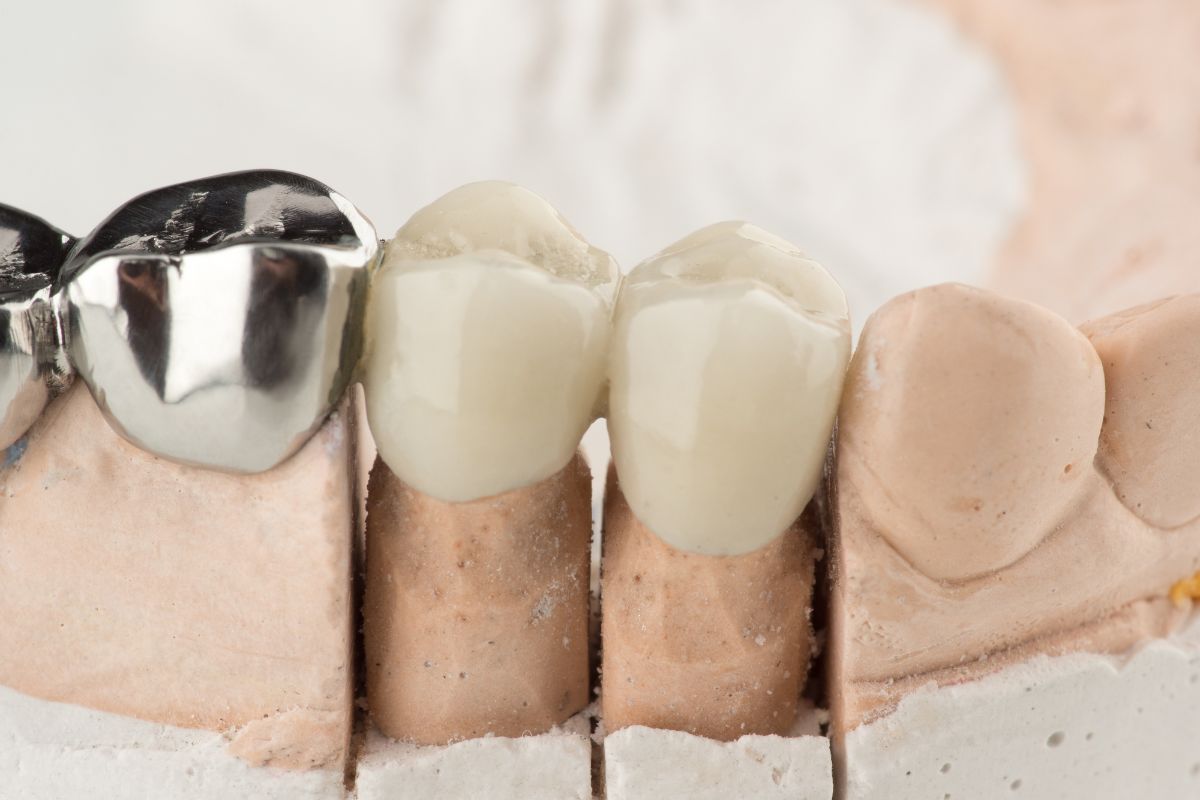
The durability of dental crowns is significantly influenced by the materials used in their construction. Each material offers unique advantages, catering to different needs and preferences. For example, porcelain and ceramic crowns are renowned for their natural appearance and aesthetic appeal, making them an excellent choice for visible teeth. On the other hand, metal crowns, like those made from gold or alloy, are prized for their exceptional strength and durability, often recommended for molars.
Longevity and Resistance to Wear:
One of the key attributes that contribute to the enduring durability of dental crowns is their resistance to wear and tear. Crowns are designed to withstand the forces exerted during biting and chewing, ensuring they can endure the rigors of daily use. With proper oral care, including regular brushing, flossing, and dental check-ups, dental crowns can last for many years, providing a long-term solution to tooth restoration.
Protection Against Further Damage:
Dental crowns not only restore the structural integrity of a compromised tooth but also act as a protective barrier against additional damage. They shield the underlying tooth from decay, fractures, and other forms of harm, preventing the need for more extensive dental interventions in the future. This proactive approach to oral health contributes to the overall resilience of your smile.
Versatility in Restoration:
Beyond their durability, dental crowns are incredibly versatile in addressing various dental issues. Whether you have a severely decayed tooth, a fractured enamel, or a large filling compromising tooth structure, crowns offer a comprehensive solution. They can also be used in conjunction with dental implants to replace missing teeth, further highlighting their adaptability in restoring smiles.
The Importance of Proper Oral Care:
While dental crowns are designed to be durable, their longevity depends on maintaining good oral hygiene practices. Regular dental check-ups, professional cleanings, and diligent at-home care are essential to ensuring the health of both the crowned tooth and the surrounding gums. By taking proactive steps to care for your oral health, you contribute significantly to the enduring resilience of your crowned smile.
Conclusion:
Dental crowns stand as pillars of strength in restorative dentistry, offering enduring durability and resilience to smiles worldwide. With advancements in materials and techniques, crowns not only provide structural support but also seamlessly blend with your natural teeth, enhancing your overall smile aesthetics. If you’re considering dental crowns for tooth restoration, consult with your dentist to explore the options best suited to your unique needs. Embrace the lasting durability of dental crowns and let your smile shine with confidence for years to come.
Recent Posts
September 17, 2024
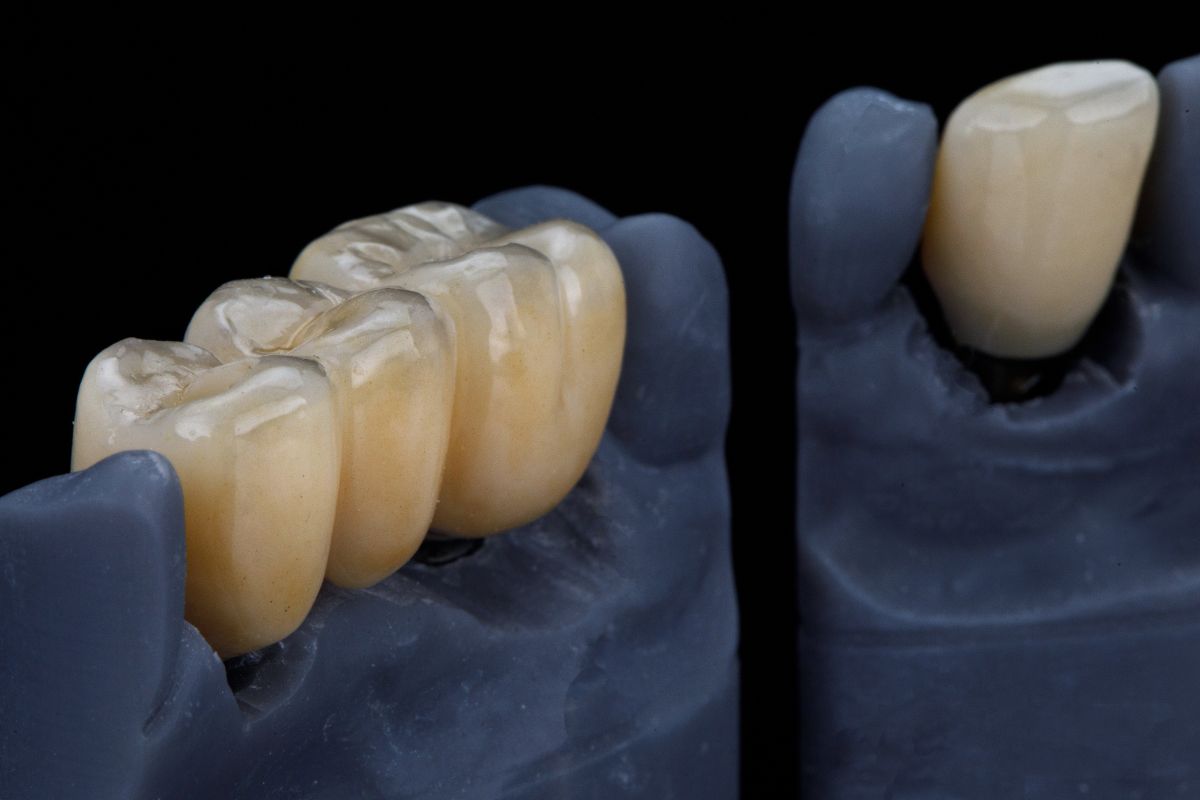
What to Do If Your Dental Crown Breaks: Immediate Steps and Solutions
September 3, 2024
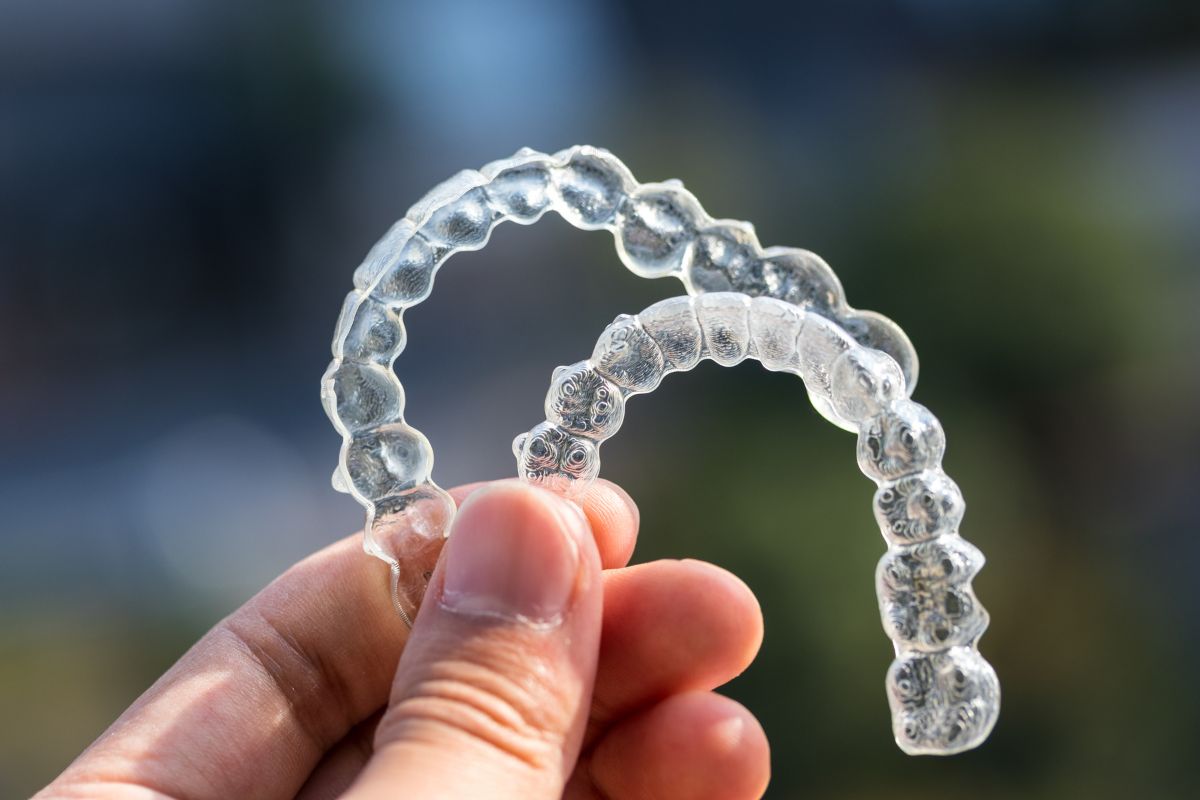
How to Maintain Your Invisalign Aligners
August 13, 2024
Comparing Traditional and Composite Fillings: Which is Right for You?
August 5, 2024
The Impact of Dental Bridges on Oral Health

July 23, 2024
