New Patients Welcome!

Unveiling the Vital Role of Dental Crowns in Restoring Smiles
March 27, 2024
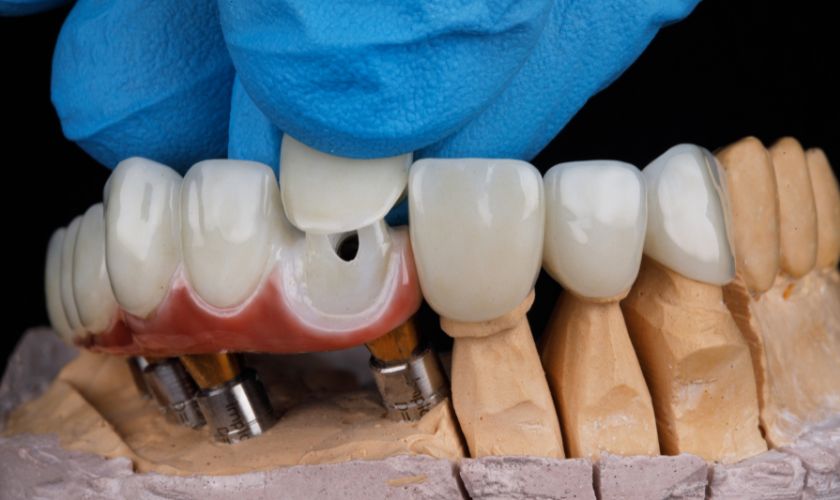
A radiant smile not only enhances our appearance but also boosts confidence and self-esteem. However, dental issues like decay, fractures, or extensive damage can mar the beauty of our smiles. This is where dental crowns come to the rescue, playing a vital role in restoring both the function and aesthetics of damaged teeth.
What Are Dental Crowns?
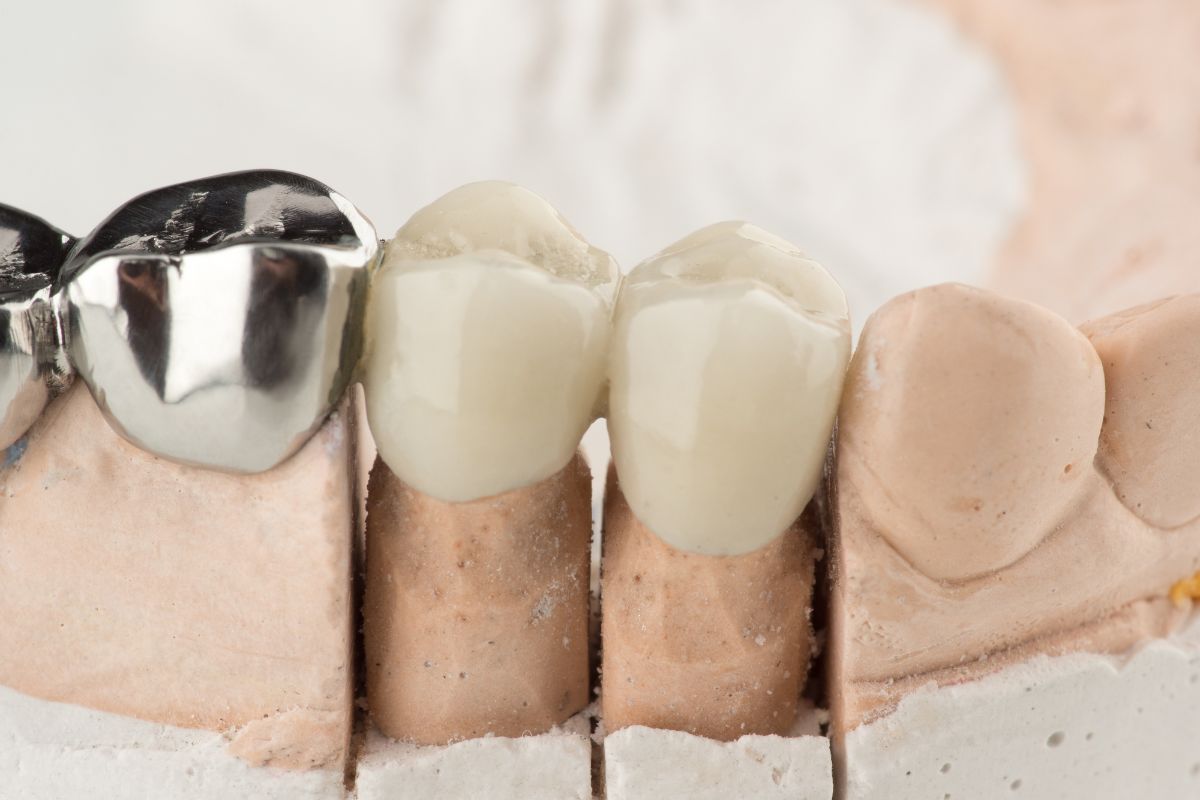
Dental crowns, also known as caps, are custom-made restorations that cover a damaged or weakened tooth, restoring its shape, size, strength, and appearance. These crowns are designed to mimic the natural color and contour of your teeth, seamlessly blending with your smile.
The Importance of Dental Crowns in Restorative Dentistry
Protection and Strengthening: Dental crowns provide a protective barrier for weakened or damaged teeth, preventing further deterioration. By encasing the tooth entirely, crowns restore its structural integrity and strength, allowing it to withstand normal biting and chewing forces.
Restoration of Functionality: Whether it’s a cracked tooth, a large cavity, or a tooth treated with a root canal, dental crowns play a crucial role in restoring functionality. By covering the entire visible portion of the tooth above the gumline, crowns enable patients to bite, chew, and speak comfortably, without experiencing pain or discomfort.
Enhanced Aesthetics: Beyond their functional benefits, dental crowns also contribute to the aesthetic enhancement of smiles. With advancements in dental materials and techniques, crowns can be customized to match the color, shape, and texture of your natural teeth, creating a seamless and beautiful smile.
Versatility in Treatment: Dental crowns are versatile restorations that can address a wide range of dental concerns. Whether you have a fractured tooth, severe decay, a misshapen tooth, or even a dental implant that requires restoration, crowns offer a reliable solution for restoring your smile’s health and appearance.
Longevity and Durability: When properly cared for, dental crowns can last for many years, providing long-term solutions for dental issues. With routine oral hygiene practices and regular dental check-ups, patients can ensure the longevity and durability of their crowns, preserving their smiles for years to come.
The Dental Crown Procedure
The process of receiving a dental crown typically involves multiple steps:
Initial Consultation: Your dentist will evaluate your oral health and discuss your treatment options, including the type of crown best suited to your needs.
Tooth Preparation: The affected tooth will be prepared by removing any decay or damaged portions and shaping it to accommodate the crown.
Impression Taking: An impression of the prepared tooth will be made to ensure the crown fits accurately and comfortably.
Temporary Crown Placement (if needed): While your permanent crown is being fabricated, a temporary crown may be placed to protect the tooth.
Final Crown Placement: Once the permanent crown is ready, it will be carefully placed and bonded to the tooth using dental cement, ensuring a secure and long-lasting fit.
Dental crowns play a pivotal role in restorative dentistry, offering functional and aesthetic benefits that restore smiles and enhance overall oral health. Whether you’re dealing with a damaged tooth, decay, or aesthetic concerns, dental crowns provide reliable solutions for achieving a healthy, beautiful smile that you can confidently share with the world. If you’re considering dental crowns as a treatment option, consult with your dentist to explore how they can help you achieve your smile goals.
Recent Posts
September 17, 2024
What to Do If Your Dental Crown Breaks: Immediate Steps and Solutions
September 3, 2024
How to Maintain Your Invisalign Aligners
August 13, 2024
Comparing Traditional and Composite Fillings: Which is Right for You?
August 5, 2024
The Impact of Dental Bridges on Oral Health

July 23, 2024
