New Patients Welcome!

Dental Fillings: Safeguarding Your Smile from Decay
April 15, 2024
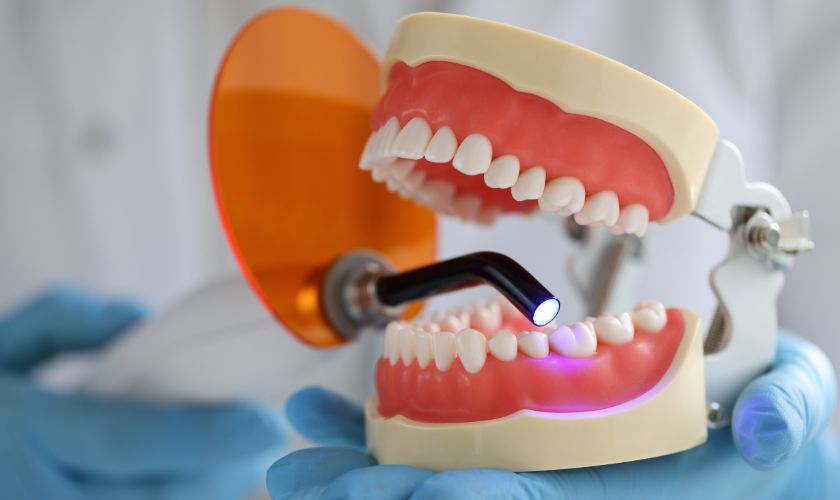
Tooth decay is a common dental problem that can lead to cavities, pain, and even tooth loss if left untreated. While practicing good oral hygiene and maintaining a balanced diet can help prevent cavities, sometimes a dental filling becomes necessary to restore a tooth affected by decay. Dental fillings are a safe and effective way to protect your teeth from further damage and preserve your natural smile.
Understanding Tooth Decay
Tooth decay is caused by acids produced by the bacteria in your mouth when they metabolize sugars and carbohydrates from the food you eat. These acids can erode the protective enamel layer of your teeth, creating cavities or holes. If left untreated, the decay can spread deeper into the tooth, reaching the sensitive inner layers and potentially causing infection, pain, and the need for more extensive treatment, such as root canal therapy or tooth extraction.
The Role of Dental Fillings
When a cavity is detected, your dentist will remove the decayed portion of the tooth and clean the area thoroughly. Once the decay is removed, a dental filling is placed to seal the cavity and restore the tooth’s structure and function.
Dental fillings serve several crucial purposes:
- Preventing Further Decay: By sealing the cavity, the filling creates a barrier that prevents bacteria and food particles from entering the affected area, effectively halting the progression of decay.
- Restoring Tooth Structure: Cavities can cause significant damage to the tooth structure, weakening it and making it more susceptible to further decay or even fracture. A dental filling helps restore the missing portion of the tooth, strengthening it and protecting it from additional harm.
- Preserving Natural Tooth: By treating a cavity with a filling, you can avoid more invasive procedures like root canal treatment or tooth extraction, allowing you to retain your natural tooth for longer.
- Improving Chewing Function: Untreated cavities can make it difficult and painful to chew properly. A dental filling restores the tooth’s surface, enabling you to eat and chew comfortably again.
Types of Dental Fillings
Dental fillings come in various materials, each with its own advantages and disadvantages. The most common types include:
- Amalgam Fillings: Made from a mixture of metals, including silver, copper, and tin, amalgam fillings are known for their durability and strength. However, due to their distinct silver color, they are more noticeable and less aesthetically pleasing.
- Composite Resin Fillings: Also known as tooth-colored fillings, composite resins are made from a mixture of plastic and glass. They can be tinted to match the color of your natural teeth, making them a popular choice for visible areas of the mouth.
- Glass Ionomer Fillings: These fillings are made from a combination of glass and acrylic, and they release fluoride, which can help protect against further decay. They are commonly used for fillings in non-load-bearing areas or for temporary restorations.
- Gold Fillings: While more expensive, gold fillings are highly durable and biocompatible, making them a long-lasting option for certain cases.
Your dentist will help you choose the most suitable type of filling based on factors such as the location of the cavity, the extent of the decay, and your personal preferences.
Caring for Your Dental Fillings
While dental fillings are designed to be long-lasting, proper care is essential to ensure their longevity and prevent further issues. Here are some tips for maintaining your dental fillings:
- Practice Good Oral Hygiene: Brush twice a day with fluoride toothpaste and floss daily to remove plaque and food particles that can lead to decay around the filling.
- Visit Your Dentist Regularly: Regular dental check-ups and cleanings allow your dentist to monitor the condition of your fillings and catch any potential problems early.
- Avoid Excessive Pressure: Refrain from habits like biting your nails, chewing on hard objects, or grinding your teeth, as these can cause fillings to crack or dislodge.
- Maintain a Balanced Diet: A diet low in sugary and acidic foods can help prevent further tooth decay and prolong the life of your fillings.
By seeking prompt treatment for cavities and following your dentist’s recommendations for care, dental fillings can effectively protect your teeth from further damage and help you maintain a healthy, beautiful smile for years to come.
Recent Posts
September 17, 2024
What to Do If Your Dental Crown Breaks: Immediate Steps and Solutions
September 3, 2024
How to Maintain Your Invisalign Aligners
August 13, 2024
Comparing Traditional and Composite Fillings: Which is Right for You?
August 5, 2024
The Impact of Dental Bridges on Oral Health

July 23, 2024
