New Patients Welcome!

The Impact of Dental Bridges on Oral Health
August 5, 2024
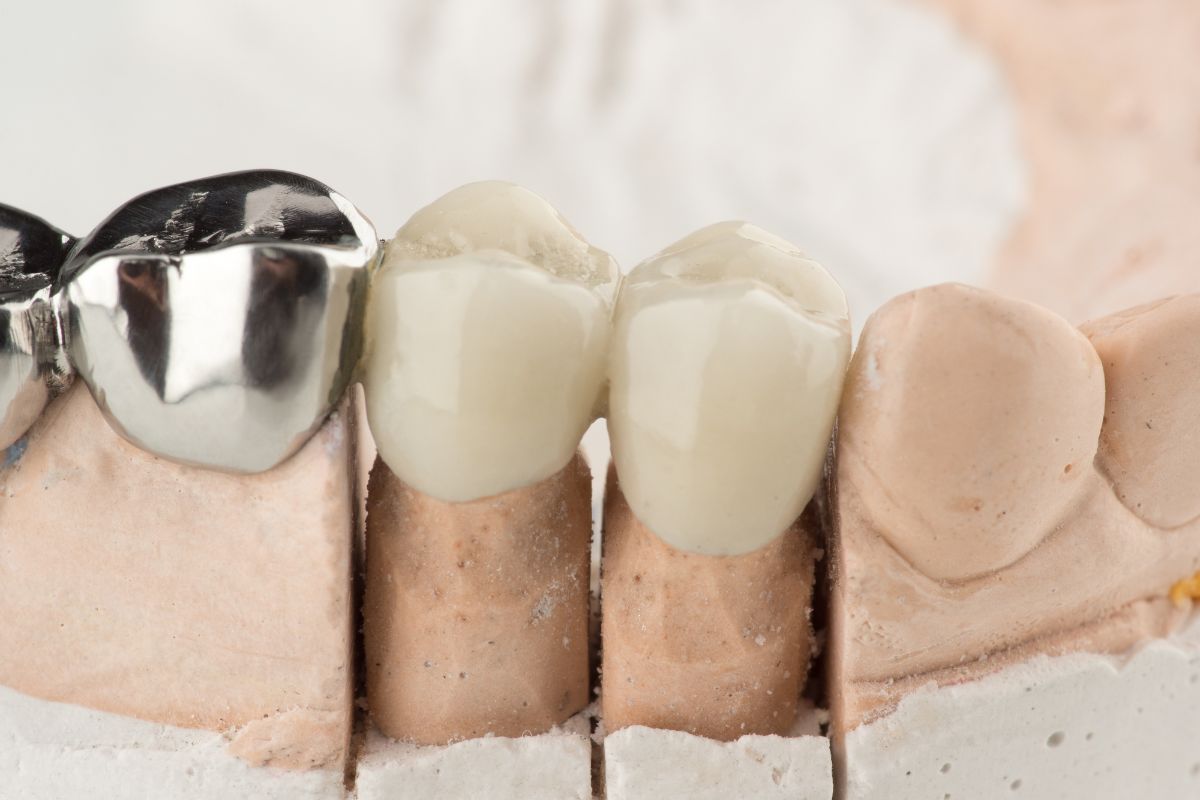
Missing teeth can affect more than just your smile. They can impact your oral health in significant ways. Dental bridges are a popular solution for restoring missing teeth. Let’s explore how dental bridges can positively influence your oral health.
What Are Dental Bridges?
Dental bridges are prosthetic devices used to replace one or more missing teeth. They consist of two or more crowns for the teeth on either side of the gap, with a false tooth or teeth in between. The crowns anchor the bridge in place, ensuring it stays secure.
How Dental Bridges Improve Functionality
One of the primary benefits of dental bridges is their ability to restore functionality. Missing teeth can make it difficult to chew and speak properly. Dental bridges fill the gap, allowing you to eat and talk comfortably. This improvement in functionality can enhance your quality of life.
The Aesthetic Benefits of Dental Bridges
Beyond functionality, dental bridges offer aesthetic benefits. They are designed to look and feel like natural teeth. This helps restore your smile and boost your confidence. With dental bridges, you won’t have to hide your smile or feel self-conscious about gaps in your teeth.
Impact on Oral Health
Dental bridges play a crucial role in maintaining oral health. Missing teeth can lead to several issues, such as shifting of adjacent teeth and bone loss. Dental bridges help prevent these problems by filling the gap and supporting the surrounding teeth. They also help maintain the alignment of your bite, reducing the risk of jaw problems.
Preventing Tooth Movement
When a tooth is missing, adjacent teeth can shift into the empty space. This can lead to misalignment and bite issues. Dental bridges prevent adjacent teeth from moving by filling the gap and providing support. This helps keep your teeth properly aligned and your bite balanced.
Bone Health and Dental Bridges
Missing teeth can contribute to bone loss in the jaw. The bone relies on tooth roots to stay stimulated and healthy. Dental bridges help mitigate bone loss by providing support to the jawbone. This can help maintain the structure of your jaw and prevent further bone deterioration.
The Long-Term Benefits of Dental Bridges
Investing in dental bridges can offer long-term benefits. They are durable and can last many years with proper care. Regular dental check-ups and good oral hygiene are essential to ensure the longevity of your bridges. Maintaining your bridges can help preserve your oral health and prevent future dental issues.
Choosing the Right Dental Bridge
Selecting the right dental bridge involves working closely with your dentist. They will assess your oral health and recommend the best type of bridge for your needs. Factors such as the location of the missing teeth and the condition of your remaining teeth will influence the choice. Dental bridges come in various materials, including porcelain and metal, each offering different advantages.
Caring for Your Dental Bridges
Proper care is essential for maintaining your dental bridges. This includes regular brushing, flossing, and dental check-ups. Your dentist will provide specific instructions on how to care for your bridges. Following these guidelines will help keep your bridges in excellent condition and ensure they continue to benefit your oral health.
Conclusion
Dental bridges are more than just a cosmetic solution. They play a significant role in restoring functionality, enhancing aesthetics, and maintaining overall oral health. By filling the gap left by missing teeth, dental bridges help prevent various dental issues and support your oral well-being. If you’re considering dental bridges in Fort Smith, consult with your dentist to determine the best option for you.
Recent Posts
September 17, 2024
What to Do If Your Dental Crown Breaks: Immediate Steps and Solutions
September 3, 2024
How to Maintain Your Invisalign Aligners
August 13, 2024
Comparing Traditional and Composite Fillings: Which is Right for You?
August 5, 2024
The Impact of Dental Bridges on Oral Health

July 23, 2024
