New Patients Welcome!

Comparing Traditional and Composite Fillings: Which is Right for You?
August 13, 2024
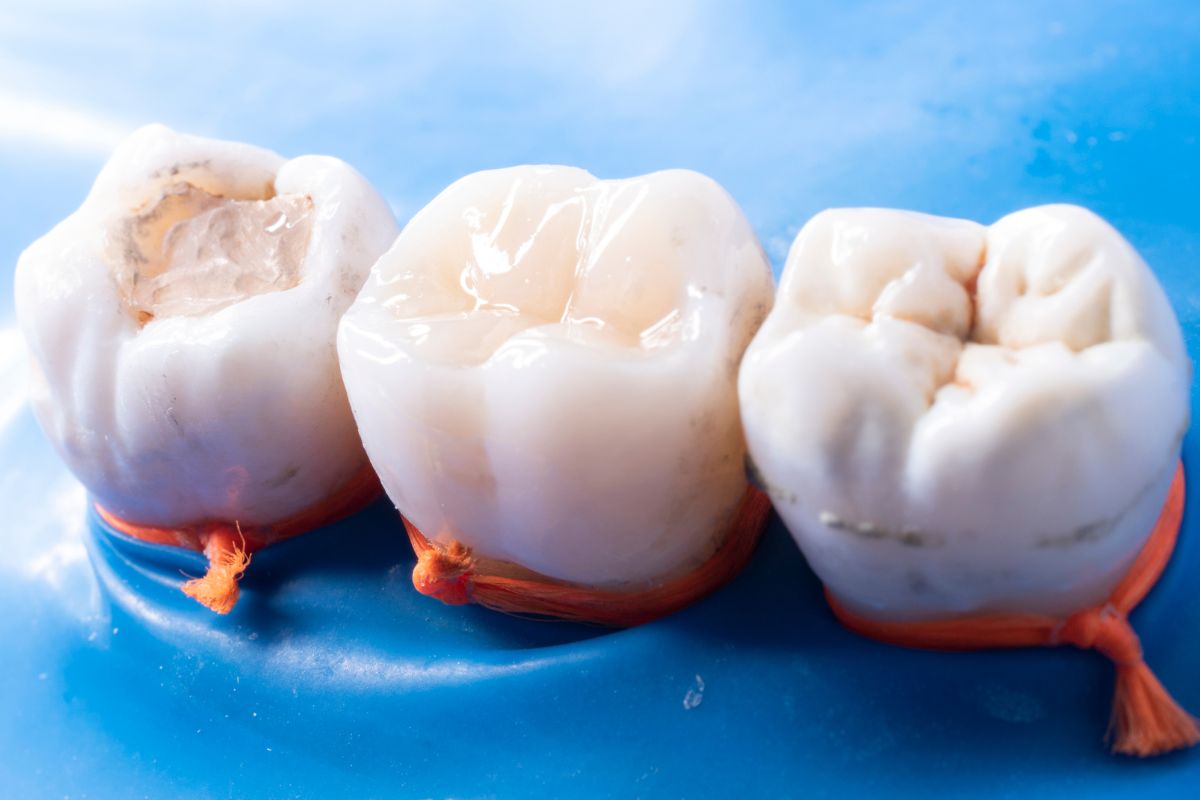
When it comes to dental fillings, you have options. Two of the most common choices are traditional (amalgam) fillings and composite (tooth-colored) fillings. Understanding the differences between these materials can help you decide which is the best fit for your dental needs. In this blog, we will break down the pros and cons of each type and how they can affect your smile.
What Are Traditional Fillings?
Traditional fillings, also known as amalgam fillings, have been used for over a century. They are made from a mixture of metals, including silver, mercury, tin, and copper. These fillings are durable and can withstand the pressure of chewing over the years.
Pros of Traditional Fillings
- Durability: Amalgam fillings are extremely long-lasting, often lasting 10-15 years or more.
- Strength: These fillings are strong, making them ideal for molars that endure heavy chewing forces.
- Cost-Effective: Amalgam fillings are generally more affordable than other types of fillings.
Cons of Traditional Fillings
- Appearance: One of the biggest drawbacks is their noticeable silver color, which can be unattractive, especially in visible areas.
- Mercury Content: Some patients have concerns about the mercury content, though the FDA considers them safe for adults and children over six.
- Expansion and Contraction: Amalgam can expand and contract with temperature changes, potentially leading to cracks in the tooth over time.
What Are Composite Fillings?
Composite fillings are made of a resin material that can be color-matched to your natural teeth. This makes them a popular choice for those who want a more aesthetically pleasing result.
Pros of Composite Fillings
- Natural Appearance: The main advantage is that they blend seamlessly with your natural teeth.
- Less Tooth Removal: Composite fillings require less removal of your natural tooth structure, preserving more of your tooth.
- Bonding Strength: They bond directly to the tooth, providing additional support to the remaining structure.
Cons of Composite Fillings
- Durability: While strong, they are less durable than traditional fillings, often lasting 5-7 years.
- Cost: Composite fillings tend to be more expensive than amalgam fillings.
- Time-Consuming: The process of placing composite fillings is more time-consuming than traditional fillings.
How to Decide Between Traditional and Composite Fillings
Your choice between traditional and composite fillings will depend on several factors. First, consider the location of the filling. If it’s in a visible area, you might prefer a composite filling for its natural look. For back teeth, where durability is crucial, a traditional filling may be the better option.
Other Considerations
- Cost: If budget is a concern, traditional fillings are generally less expensive.
- Allergies: If you have a metal allergy, composite fillings may be the safer choice.
- Longevity: If you want a filling that lasts longer, traditional fillings might be the way to go.
Which Filling is Right for You?
Choosing between traditional and composite fillings ultimately depends on your personal needs and preferences. It’s important to discuss your options with your dentist, who can help guide you based on your dental health, budget, and aesthetic goals.
At the end of the day, both types of fillings are effective at restoring your tooth’s function and health. The best choice for you will depend on what you value most—whether it’s the cost, appearance, or durability.
Conclusion
In the debate between traditional and composite fillings, there’s no one-size-fits-all answer. Both have their strengths and weaknesses, and the right choice for you will depend on your specific situation. By considering factors like location, cost, and longevity, you can make an informed decision that best suits your dental needs. Always consult your dentist in Fort Smith, AR, to determine the best treatment plan for you.
Recent Posts
September 17, 2024
What to Do If Your Dental Crown Breaks: Immediate Steps and Solutions

September 3, 2024
How to Maintain Your Invisalign Aligners
August 13, 2024
Comparing Traditional and Composite Fillings: Which is Right for You?

August 5, 2024
The Impact of Dental Bridges on Oral Health

July 23, 2024
