New Patients Welcome!

Root Canal Therapy for Seniors: Challenges and Solutions
April 23, 2024
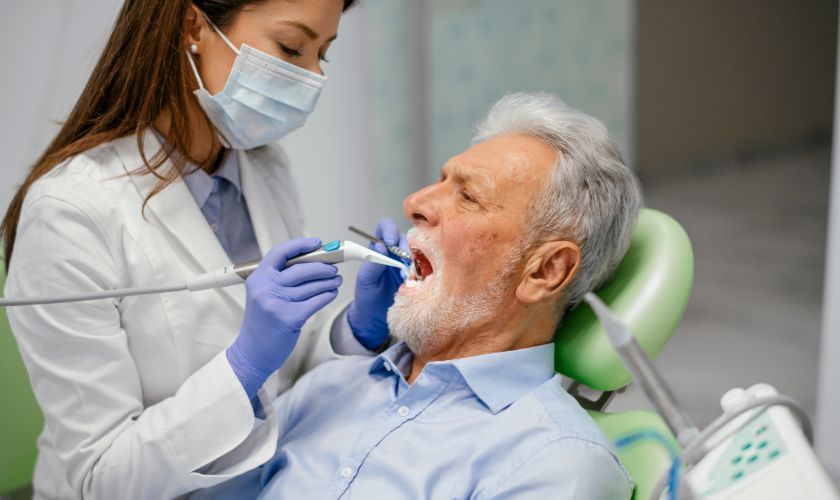
As we age, our dental health becomes increasingly important, and root canal therapy often plays a crucial role in maintaining a healthy mouth and preserving our natural teeth. However, for seniors, root canal treatment can present unique challenges that require special consideration and care.
Challenges Faced by Seniors During Root Canal Therapy
- Compromised Immune System: With advancing age, the immune system can become weaker, making it harder for the body to fight off infections. This can complicate the healing process after a root canal procedure and increase the risk of post-treatment complications.
- Chronic Health Conditions: Many seniors live with chronic health conditions like diabetes, heart disease, or arthritis, which can affect their ability to undergo dental procedures and may require adjustments in treatment approaches or medications.
- Dry Mouth: Dry mouth, or xerostomia, is a common side effect of many medications taken by seniors. This condition can increase the risk of tooth decay, gum disease, and infection, making root canal therapy more challenging.
- Limited Mobility: Some seniors may have limited mobility or dexterity, making it difficult to maintain proper oral hygiene or access dental care facilities. This can contribute to the deterioration of their oral health and increase the need for root canal treatment.
- Cognitive Impairment: Conditions like dementia or Alzheimer’s disease can affect a senior’s ability to understand and follow post-operative instructions, potentially compromising the success of the root canal procedure.
Solutions for Successful Root Canal Therapy in Seniors
- Comprehensive Dental Exam: Before beginning root canal treatment, it is essential for seniors to undergo a comprehensive dental examination. This allows the dentist to evaluate their overall oral health, identify any underlying conditions, and develop a personalized treatment plan.
- Collaboration with Medical Professionals: Close collaboration between the dentist and the senior’s primary care physician or specialists is crucial. This ensures that any chronic health conditions are properly managed and that medications or treatments do not interfere with the root canal procedure.
- Specialized Techniques: Dentists may employ specialized techniques or modifications to accommodate seniors’ unique needs. For example, using rubber dams or advanced imaging technologies can help overcome challenges posed by limited mobility or dry mouth.
- Pain Management: Effective pain management is essential for seniors undergoing root canal therapy. Dentists may need to adjust dosages or use alternative pain relief methods to ensure the patient’s comfort throughout the procedure and recovery period.
- Patient Education: Clear communication and patient education are vital for seniors undergoing root canal treatment. Dentists should take the time to explain the procedure, provide post-operative instructions in a clear and understandable manner, and address any concerns or questions the patient may have.
- Accessibility and Accommodations: Dental practices should prioritize accessibility and accommodations for seniors. This may include providing transportation assistance, wheelchair accessibility, or extended appointment times to allow for more frequent breaks or additional support.
Despite the challenges, root canal therapy remains an essential treatment option for seniors seeking to preserve their natural teeth and maintain good oral health. By working closely with their dentists and taking a proactive approach to dental care, seniors can successfully undergo root canal treatment and enjoy the benefits of a healthy, functional smile for years to come.
Recent Posts
September 17, 2024
What to Do If Your Dental Crown Breaks: Immediate Steps and Solutions
September 3, 2024
How to Maintain Your Invisalign Aligners
August 13, 2024
Comparing Traditional and Composite Fillings: Which is Right for You?
August 5, 2024
The Impact of Dental Bridges on Oral Health

July 23, 2024
